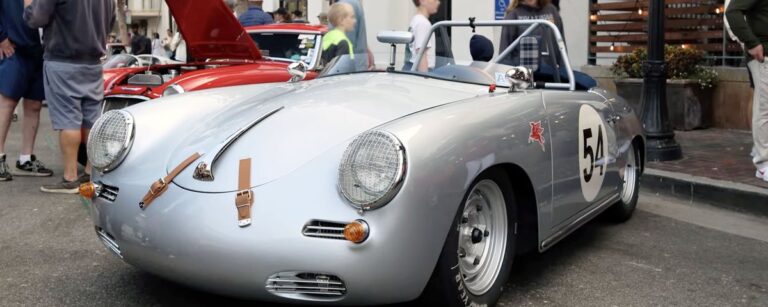
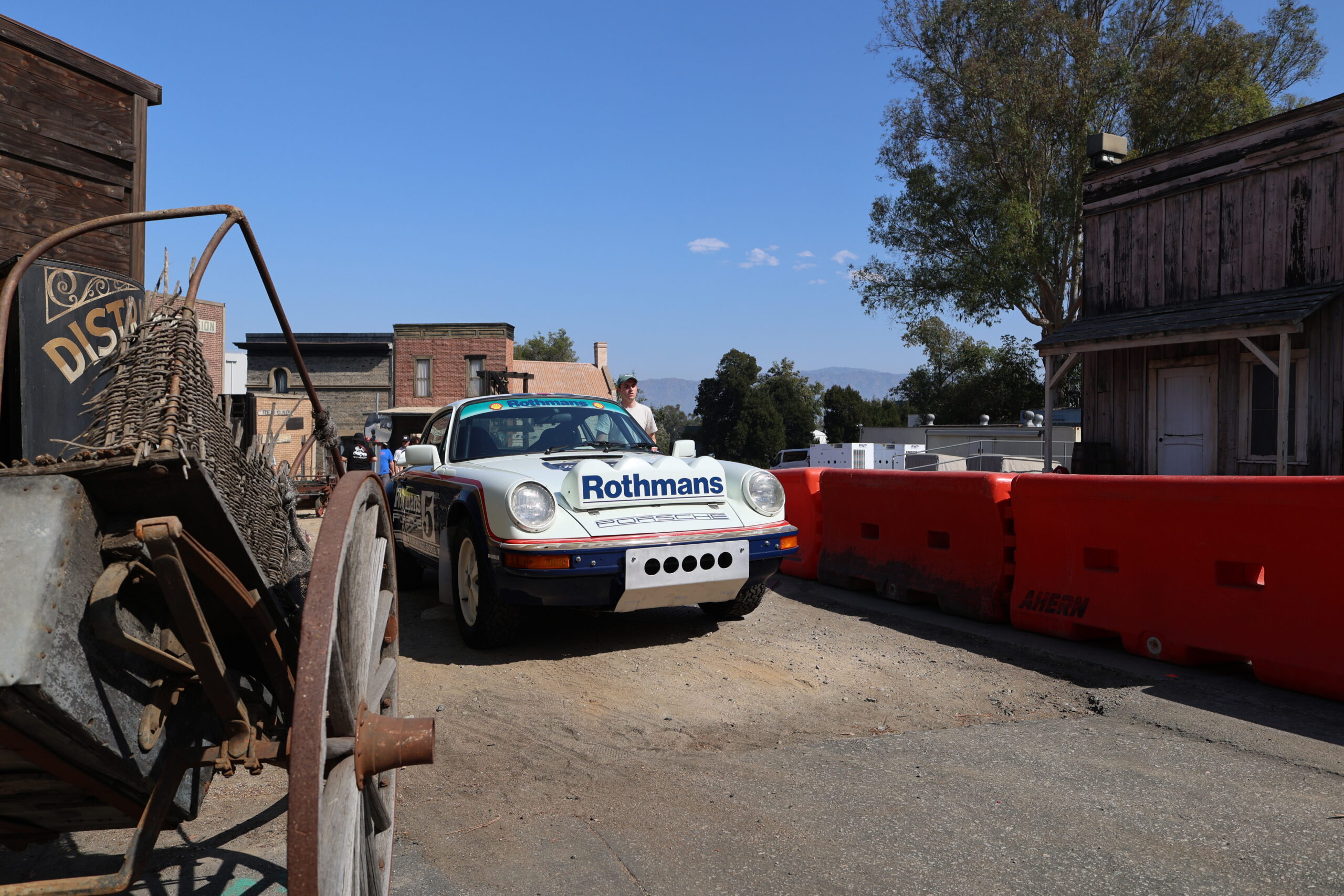
The Porsches were parked on a Hollywood backlot, on a fake New York street that has stood in for a hundred movies, under the clock tower seen in Back to the Future. A 1967 911 sat where a taxi should have been. A Rothmans rally car on the dirt street of an old western movie, in front of a facade held up from behind with lumber. None of it belonged, and every car looked better for not belonging.
That was Luftgekühlt 10, last October, in Burbank. If you have never been, Luft takes air-cooled Porsches, the ones built before the water-cooled era, and puts them somewhere you would never picture a car show. Not a convention center. Not a parking lot with orange cones and a folding table of trophies. A working film backlot. Streets that are sets. Buildings that are a single wall deep. The cars are extraordinary on their own. Stand them somewhere unexpected and they stop being cars for a minute and turn into something closer to art.
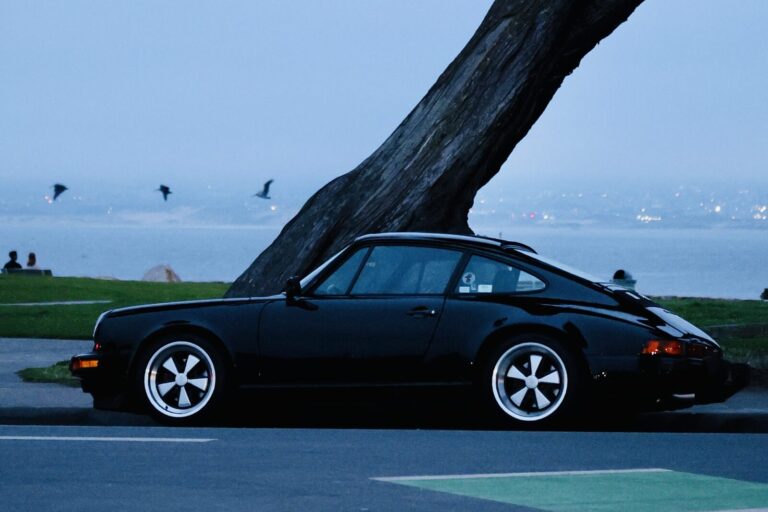
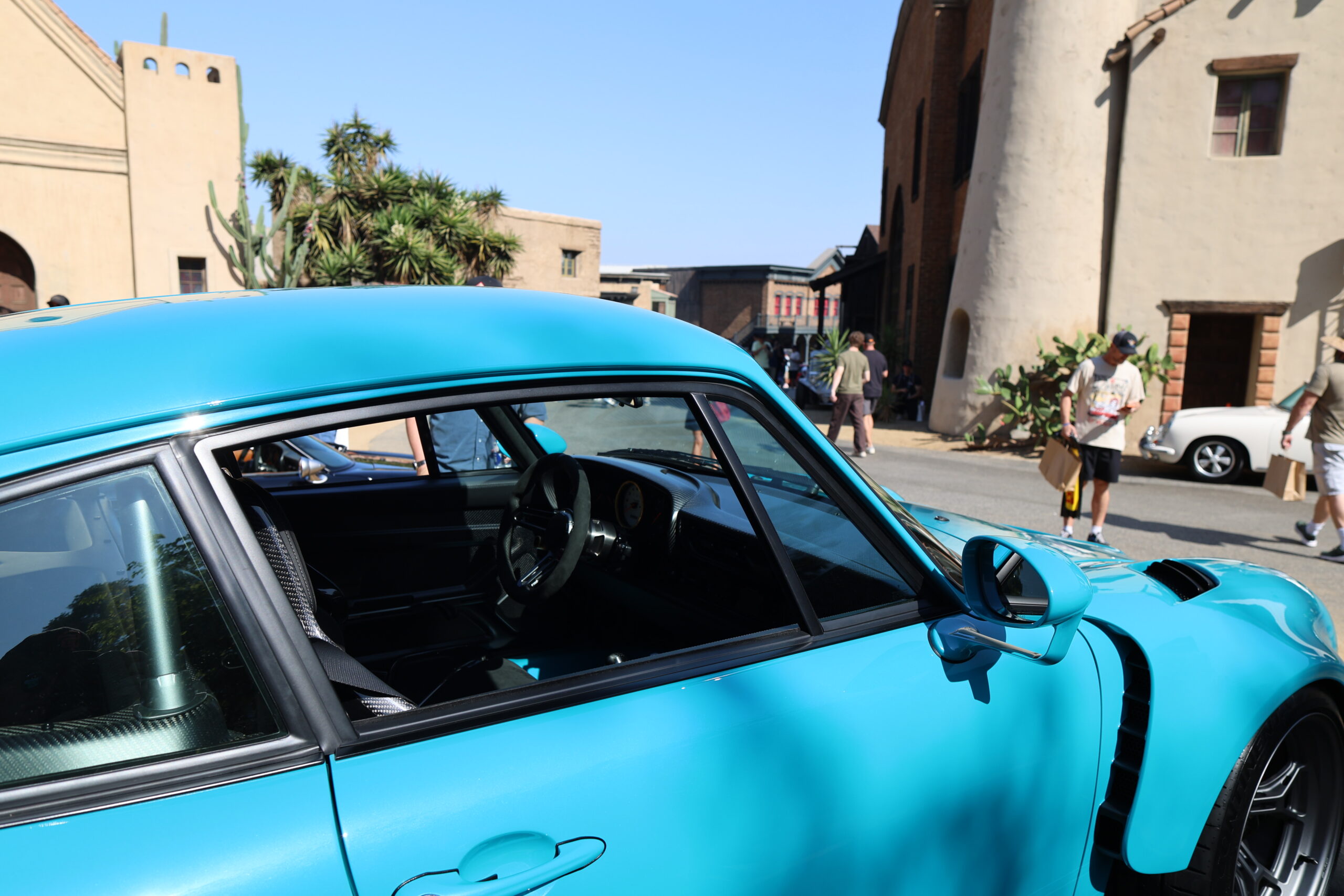
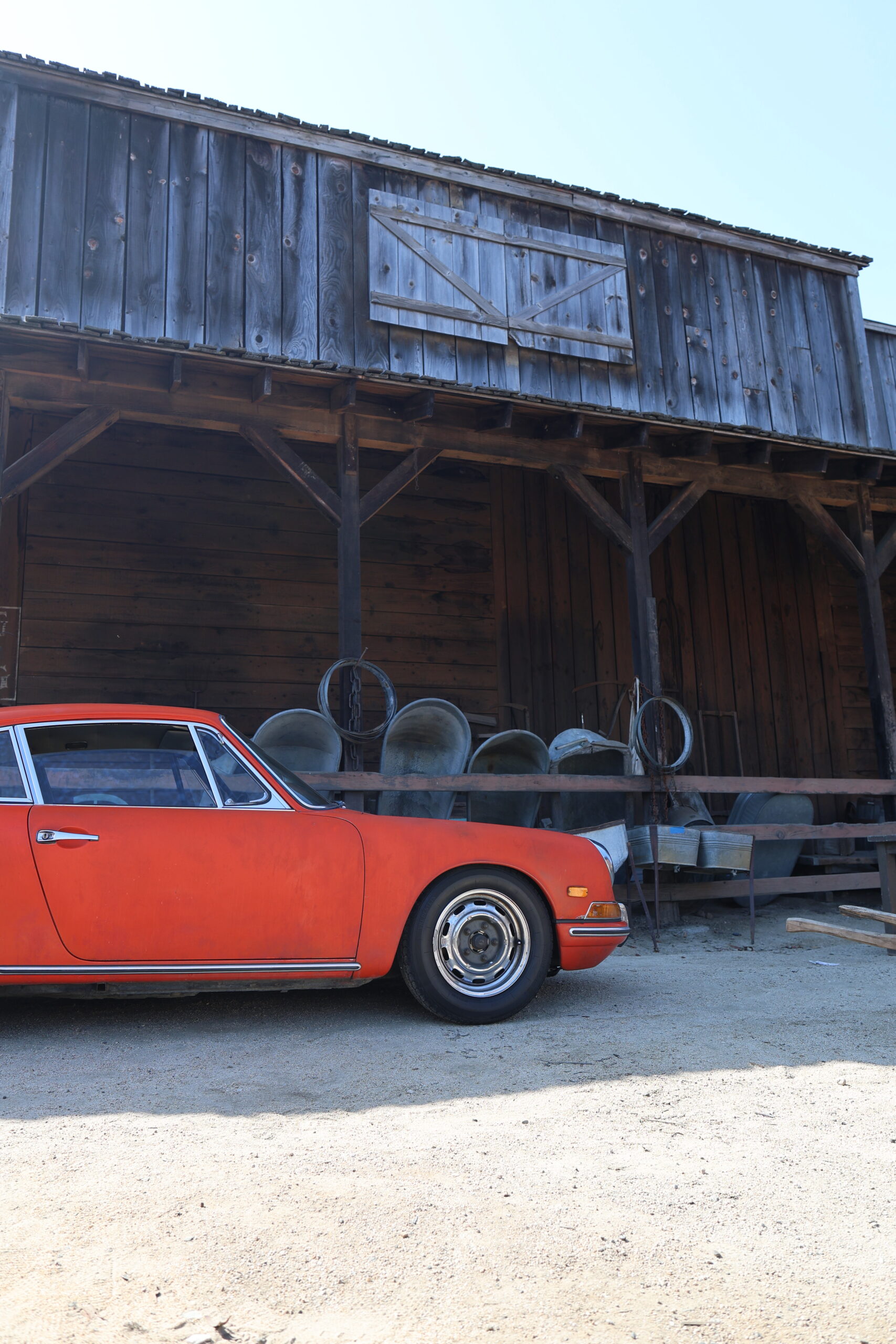
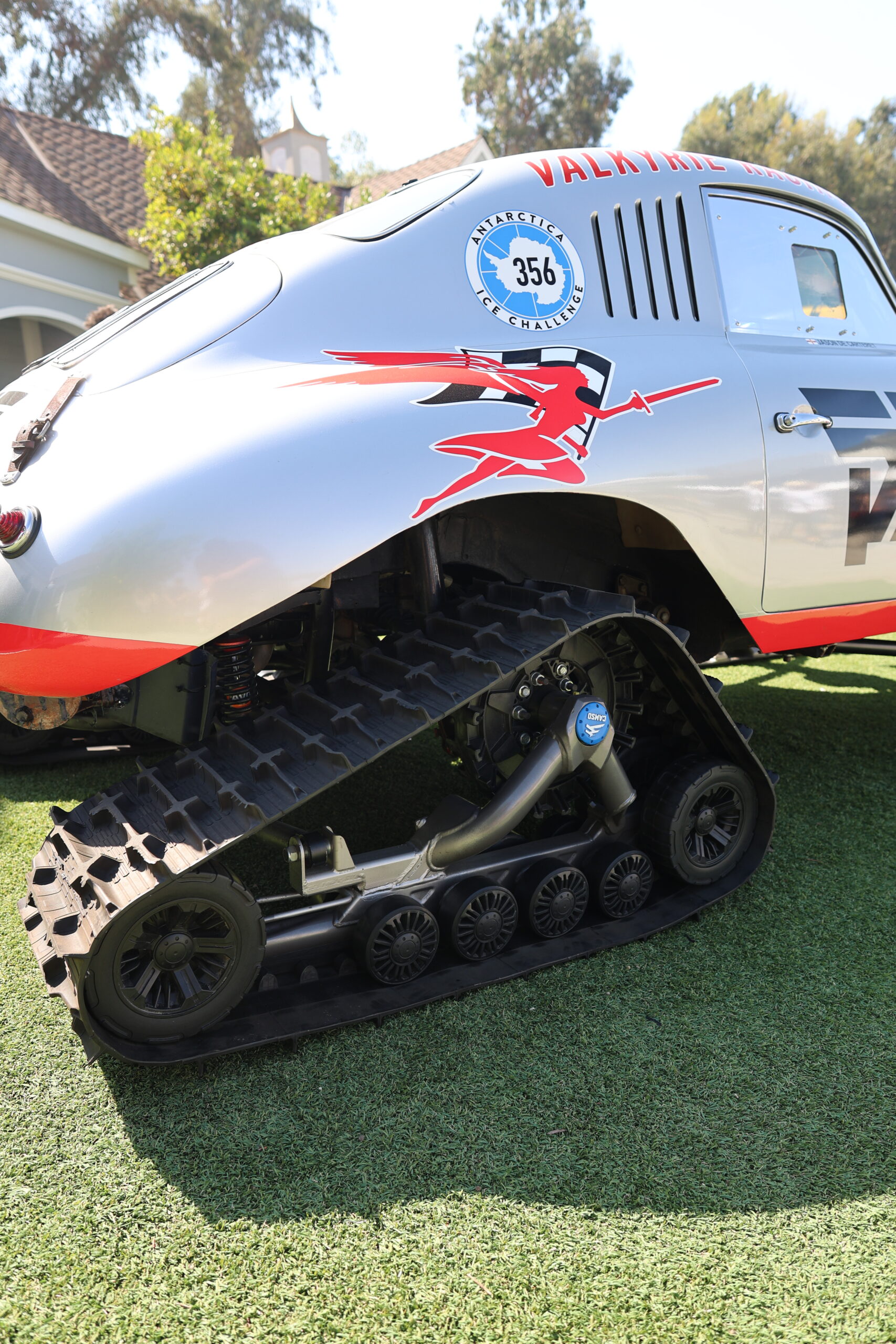
I moved slow with a camera and let it work on me. A backdated 911 in Miami Blue, so clean it looked wet. A short-wheelbase car in a red that belongs on a fire truck, parked like it had every right to the sidewalk. A safari build sitting tall on knobby tires, ready to leave pavement that was only pretend anyway. A Rothmans rally car in that blue and white and gold. A 962 that had actually run Le Mans, low and mean against a soundstage. One 911 wearing a rainbow down its flank. A pink one. Fuchs wheels catching the afternoon light in a way no show field ever gives you. The same cars I have seen at a hundred other events. The backlot made me see all of them new.
I think about this event more than most because the setting helped me see things I would have likely walked past in a typical convention center setting. A 911 is a 911 whether it sits in valley heat under a PA system or against a film set at golden hour. But the place changed the car. The light came off the buildings differently. The angles were wrong in the way that makes you stop walking. I have been to more car shows than I can count. Cars and coffees, cruises, gatherings, concours lawns. I love all of them. Luft did something none of the others did. It moved the cars out of their normal setting, and in doing that, it let me see them again for the first time.
The people moved slow too. Nobody was rushing between cars trying to catch them all before the awards. You would turn a corner between two buildings and find a 356 alone in a slice of shade, and somebody would just be standing there looking at it. Not filming. Not talking. Just looking. The setting gave everyone permission to slow down, and that is a hard thing to build on purpose. Luft has done it ten times running.
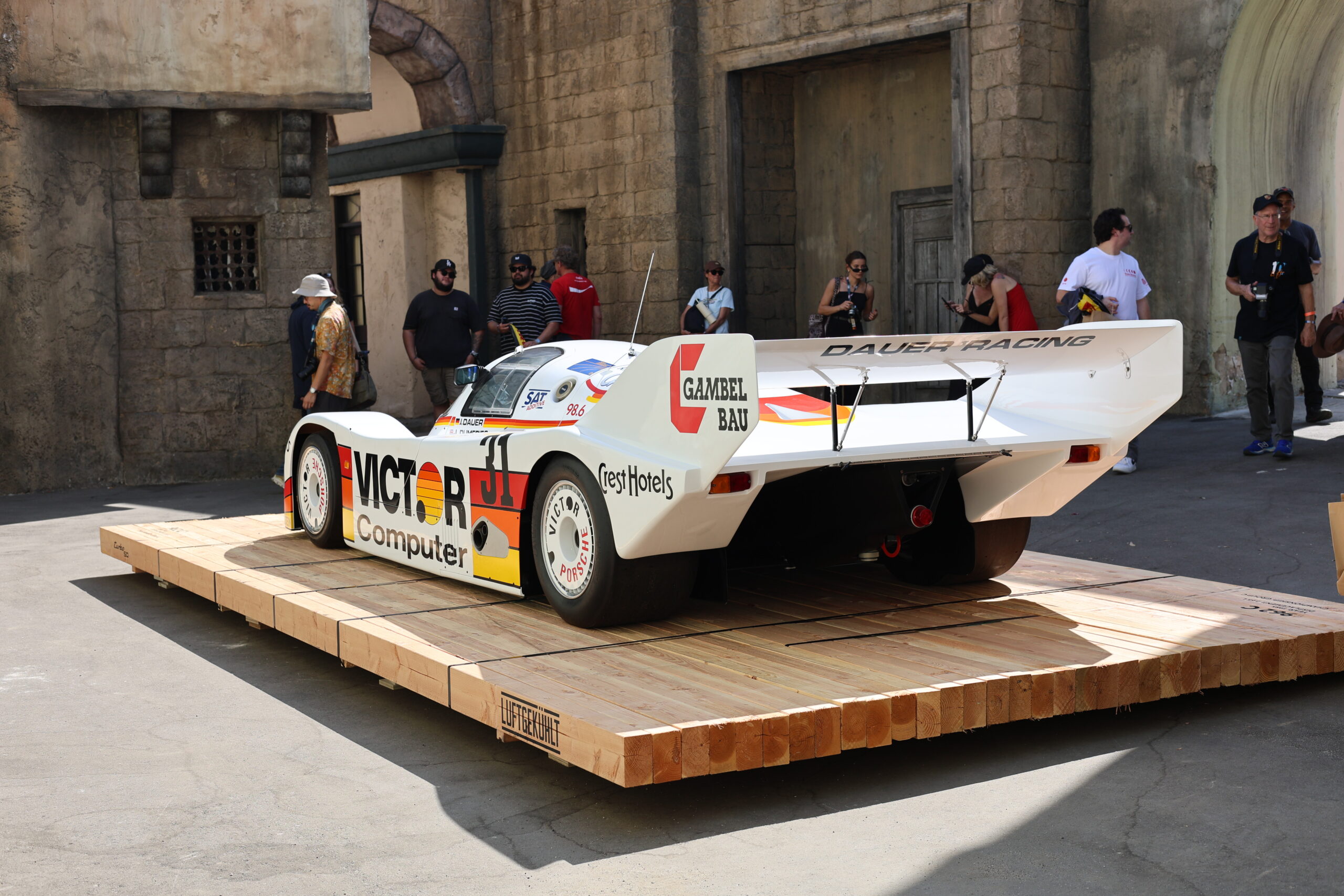
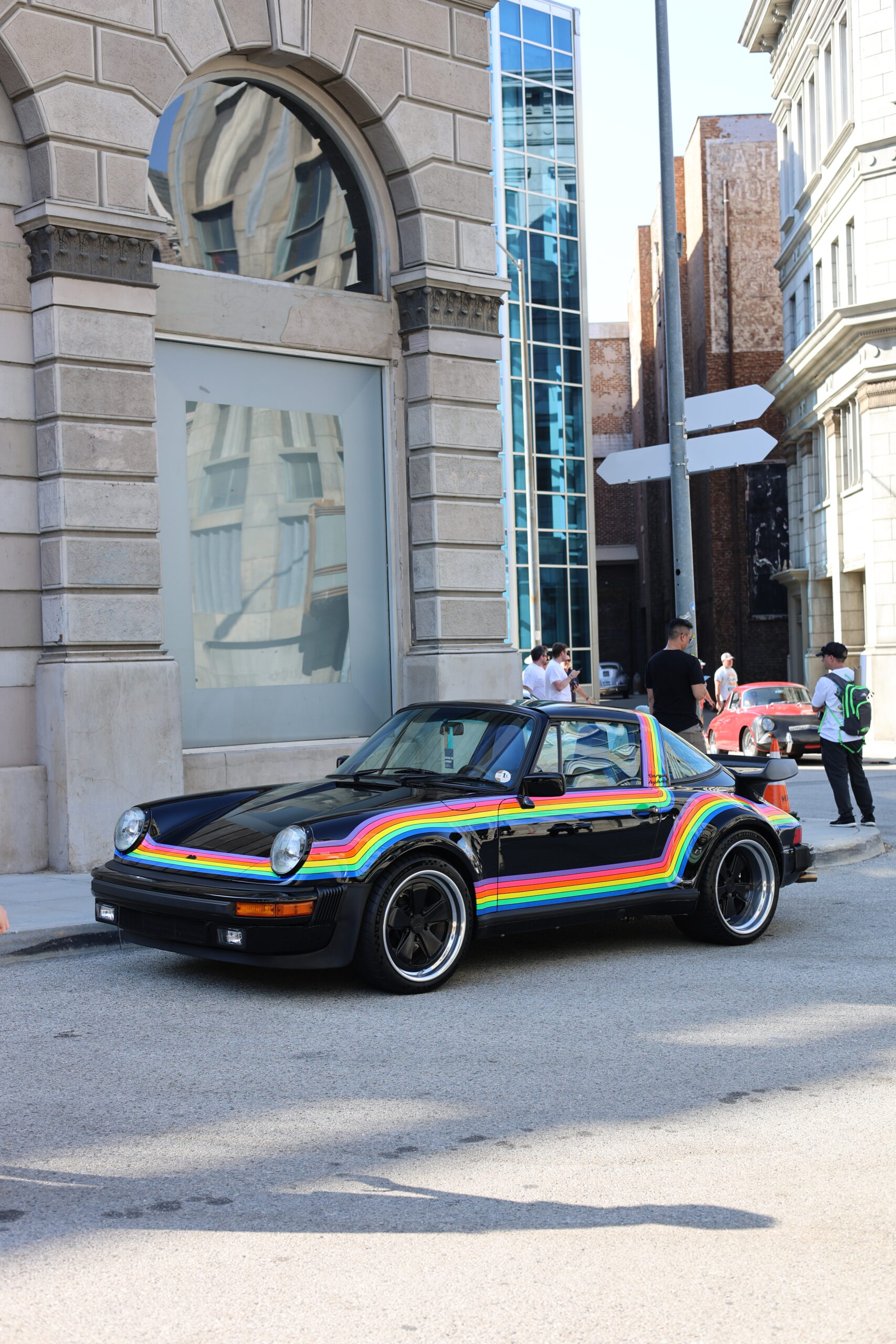
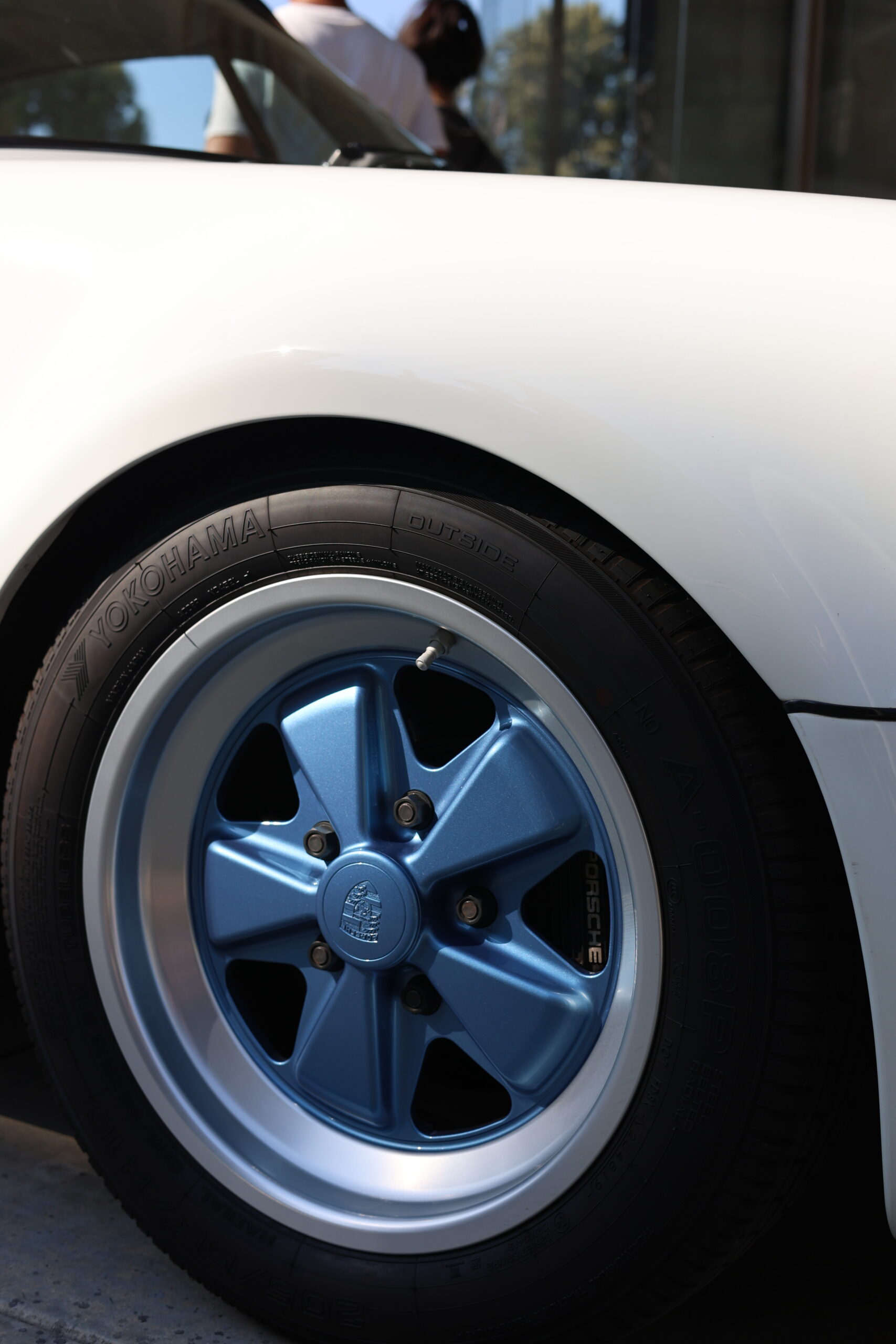
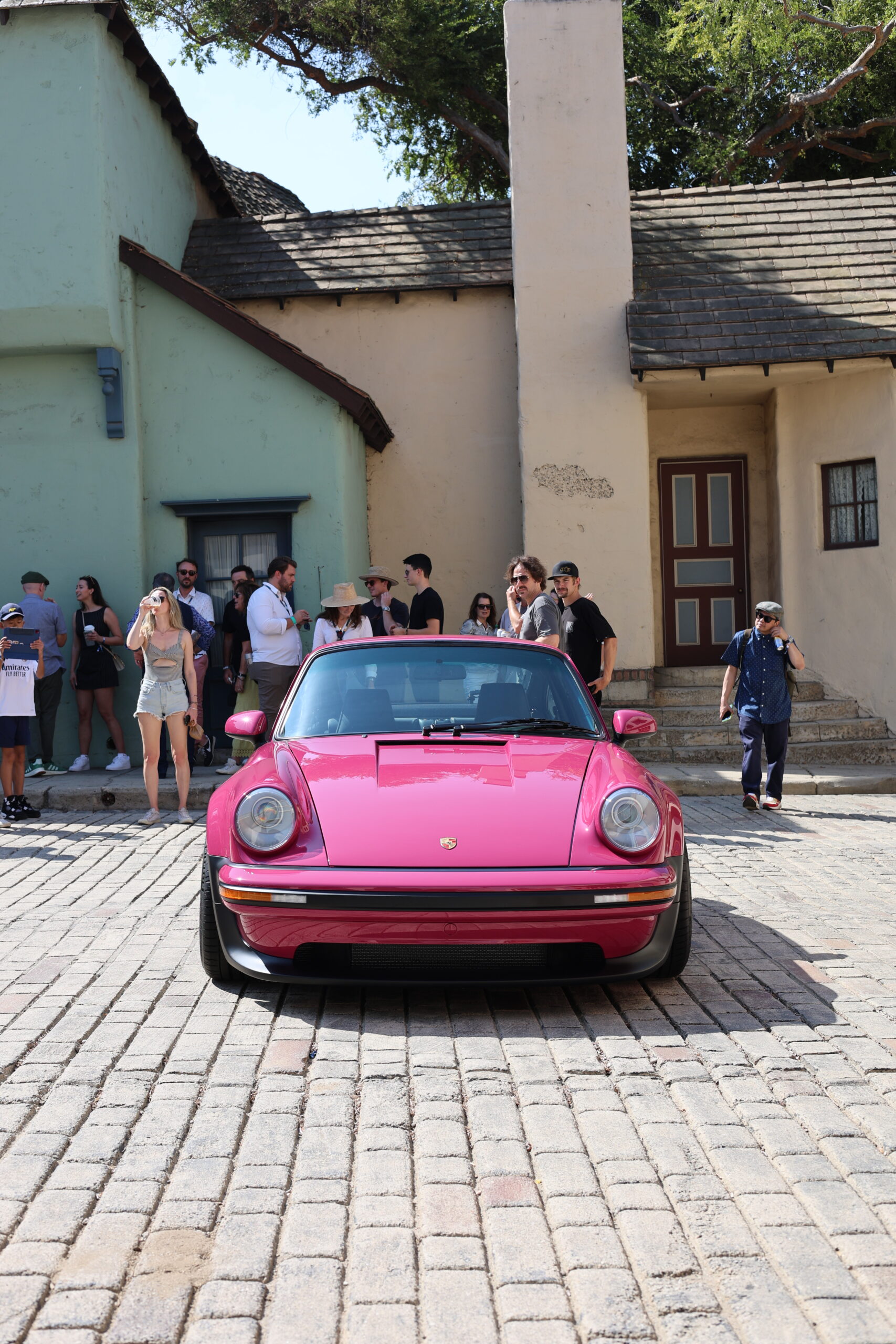
I have been thinking about setting for a lot longer than I realized, longer than the time I spent standing on that fake street.
I have moved a lot. More than most people I know. I grew up in Sacramento, and from there I kept following the work, and the work kept being somewhere else. Brooklyn, when the pull was Complex and the magazine world felt like the center of everything I cared about. Boulder, for a stretch with Finish Line, mountains out every window. Detroit, early at StockX, when the whole company was a bet and the city was rebuilding itself at the same time we were. West Hollywood. Santa Monica. Portland. City after city, each one a real chapter.
Every one of them, at the time, felt like the place. That is the part I want to be honest about. It was never a mistake to go. Every city had something real holding onto me. Brooklyn had the energy, the sense you were standing near the middle of the thing. Boulder had the quiet and the trails and room to breathe. Detroit had grit and a chip on its shoulder I understood in my bones. The California stops had the weather and the industry and the easy nearness to everything. I could have built a life in any of them, and for a while I told myself I would.
But there was always an undertow. Underneath the new city and the new title and the new set of streets to learn, I wanted roots. I wanted to build something that stayed. I am not sure I could have said that out loud back then. It was quieter than that. It showed up as a small ache every time I unpacked another apartment, learned another grocery store layout, made a friend I already knew I might leave in two years. You can love a place and still know it is not the one. You can be grateful for a chapter and still feel the book is not finished.
And the whole time, there was Monterey.
I am a Sacramento native, and Monterey has been the escape my entire life. Decades of it. When the valley summers turned into a wall of heat you could lean against, we drove to the coast. When the grind got to be too much, when I needed out from under whatever I was carrying, nine times out of ten Monterey was the answer. The ocean called first. It always has. But it was more than the water. It was Laguna Seca, the sound of engines echoing off the hills, the corkscrew dropping away like the floor gave out. It was the aquarium, that strange and beautiful place I have walked through more times than I can count and never once gotten tired of. It was the weather, the fog rolling in and making the whole peninsula feel like a held breath.
Every time I came here, something in me settled. Whatever I was running from, the heat, the deadline, the noise in my own head, Monterey took it down a few degrees. I did not have language for it back then. I just knew that when I needed peace, this was the direction I drove.
There is a specific kind of morning here where the fog sits low over the water and the whole town goes quiet and gray and soft. The first time I stayed through one of those mornings as a resident instead of a visitor, something clicked that never clicked on any of my escapes. I was not going home at the end of the weekend. I was already home. That took me almost forty years and about seven zip codes to feel.
So a handful of years ago, after all the moves, after all the cities that each felt like the place until they didn’t, my partner and I looked at each other and said, fuck it. Let’s do this. Let’s stop escaping to the place and start living in it. Let’s put the roots down here.
I have never felt more at peace in my life.
Until, of course, I got laid off.
I have written about the layoff before, and about the trip to Tokyo that followed, and about the idea that the point is progress, not perfection. If you want the version where I was standing on the other side of the world trying to figure out what came next, it is the first entry in this journal, The Pursuit of Something. Tokyo was its own kind of changed setting. A place so far outside my normal that it knocked something loose and let me look at my own life from a distance.
But Monterey did something I did not expect. When the job went away, the setting held.
For most of my career, the place and the work were braided together. Brooklyn was the magazine. Detroit was the company. Take the job away in any of those cities and I am not sure the city stays standing for me. The setting was a means to the work. When I moved here, for the first time, the setting was the point. So when the work fell out from under me, I did not lose the ground under my feet. I still had the ocean. I still had the fog and the track and the aquarium and the quiet. I had built a life that did not collapse when the title on my profile changed. That is not a small thing. That might be the whole thing.
Sometimes you have to change your setting many times before you find the right one. And sometimes you do not see it clearly until long after you started looking. I spent years chasing the place, city by city, each attempt real, none of them wrong, all of them part of the road that led here. If you had told me at twenty-five that the town I kept escaping to would be the one I finally stayed in, I would not have understood you. I was looking the entire time. I just could not see it yet.
That is the part I want you to sit with, if you are reading this on your third city or your fifth job or your second version of the thing you are trying to build. If none of them have felt permanent, that does not mean you are doing it wrong. It might mean you are still looking. The looking is not the failure. The looking is the work.
Which brings me back to the backlot.
What Luftgekühlt understood is that the object is only half of it. The other half is where you put it. You can take the most beautiful Porsches in the world, cars people cross the country to see, and if you park them on a hot lot with a hot dog stand and a bank of speakers, you have a great car show. Put those same cars on a film set, under a marquee, on a street pretending to be another street, and they become something people talk about for years. Porsche wrote about the tenth anniversary of it, and it is worth reading if you want to see how far a car culture event can go once someone decides the setting matters as much as the machines.
That is the energy I want for Pursuit.
Not another store. Not another gathering that looks like the last one. I want to take the things I have spent my life loving, the cars, the kicks, the culture, and put them in a setting that changes how you see them. I want someone to walk into what we are building in Monterey and feel the way I felt on that backlot. That quiet recalibration. That sense of the familiar made new by where it is standing. The pieces matter. A vintage pair with a story. A rare magazine. A car that has lived a life. But the setting is what turns a collection into a place. The setting is what turns a store into a cornerstone.
And that is also why, as much as I want it open tomorrow, I am learning to let the timing arrive the way it is supposed to. Luft did not become Luft overnight. It took ten years and a lot of shows to earn the backlot. The reason it works is that nobody rushed the feeling. You cannot force a setting to mean something. You build toward it, you get the pieces right, you wait for the moment the place and the thing and the timing all line up, and then you open the doors.
I have spent a career learning that the slow way, one move at a time, one city at a time. I know now that a setting is not a backdrop. It is part of the work. Monterey is not where Pursuit happens to be. Monterey is why Pursuit can become what I want it to be.
If there is anything to take from a field of air-cooled Porsches on a fake Hollywood street, maybe it is this. Look at where you have put the things you care about. Your work. Your projects. The version of yourself you are trying to build. Ask whether the setting is serving them or just holding them. And if it is not the right one, keep moving it. Change it as many times as you need to. The right setting does not always announce itself. Sometimes it is the place you have been driving to your whole life to get away, and you do not realize it was home until you finally stop leaving.